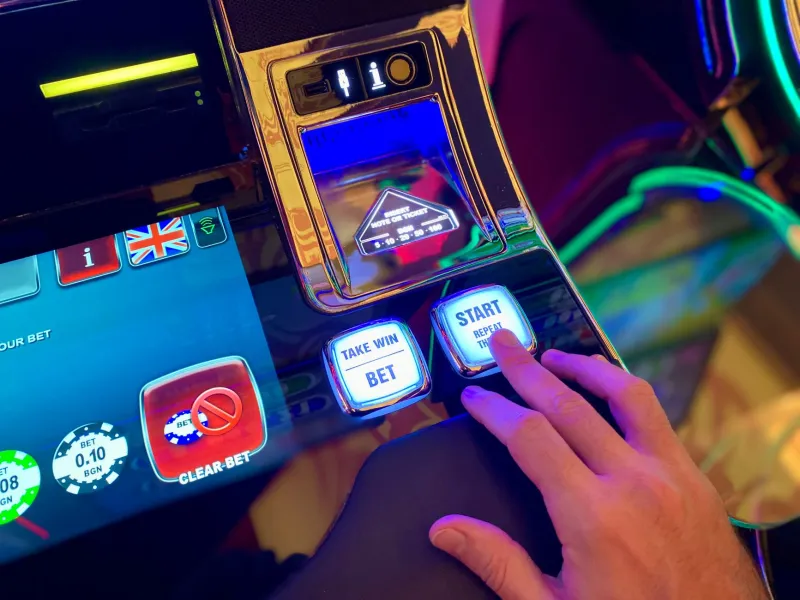
When Winning Gets Boring: The Psychology of Casino Burnout and How to Fix It
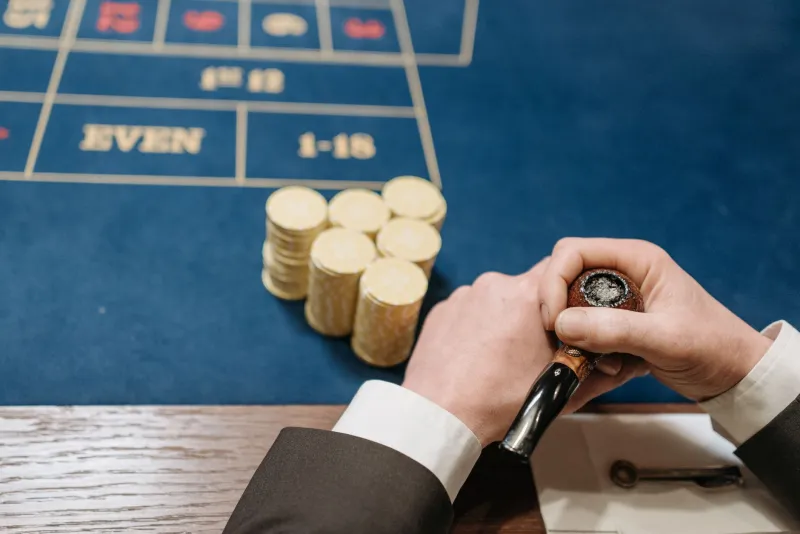
Remember the first time you hit a decent slot payout? Maybe it was a $75 scatter win or a blackjack streak that doubled your stack. Your pulse jumped. You probably told someone about it. That feeling was real — and it was earned.
Now fast-forward a few months. You land a $100 win on the same game and barely react. You close the app, maybe grab a snack, and think, "Eh, could've been bigger." What happened?
You didn't get greedy. You didn't lose your edge. Your brain just did what brains do — it adapted. And understanding that process is one of the most underrated moves a smart casino player can make.
The Science Has a Name for It
Psychologists call it hedonic adaptation, sometimes referred to as the "hedonic treadmill." The concept is straightforward: humans are wired to return to a baseline emotional state after both positive and negative experiences. Win the lottery? Studies suggest most people return to their previous happiness levels within a year or two. Land a killer bonus round? Your brain logs it as the new normal within a surprisingly short time.
In casino gaming, this plays out fast. The mechanics that once felt thrilling — the cascading reels, the level-up notification, the bonus multiplier — gradually lose their emotional punch through sheer repetition. Your brain stops releasing the same dopamine spike because it's already anticipating the outcome. Novelty, not the reward itself, is what drives that rush.
This is why so many players unconsciously start raising their stakes over time. It's not always about greed. Often, it's an attempt to recreate the emotional intensity of earlier sessions. Bigger bets introduce more uncertainty, and uncertainty is what the brain craves once it's mapped out the familiar.
Why Your Favorite Game Is Working Against You Right Now
Here's the uncomfortable truth: the game you love most is probably the one doing the most psychological damage in this department. Familiarity breeds emotional flatness. You know the rhythm of the reels. You've memorized the bonus trigger frequency. You've seen every animation the game has to offer.
What started as discovery has become routine. And routine, in the context of entertainment, is a slow leak in your engagement tank.
This isn't a flaw in your character — it's a predictable outcome of repeated exposure. Athletes call it going through the motions. Musicians call it playing on autopilot. Casino players usually just call it a "cold streak," even when the numbers are perfectly fine.
How Casinos Fight the Flatness (And What You Can Learn From It)
Here's something worth paying attention to: the platforms themselves are constantly engineering against hedonic adaptation. It's not accidental that major online casinos roll out seasonal themes — Halloween slot skins, Christmas-edition table layouts, summer tournament events. These aren't just cosmetic updates. They're deliberate novelty injections designed to reset your engagement baseline.
New game releases serve the same function. A fresh slot title introduces unknown mechanics, new volatility profiles, and visual stimulation your brain hasn't catalogued yet. Even if the RTP is identical to your usual game, the experience feels different because your brain is actively exploring rather than coasting.
Savvy players can actually borrow this strategy for themselves. Instead of waiting for the platform to feed you novelty, you can proactively rotate your game library on a schedule. Try treating your go-to game like a favorite restaurant — great to return to, but not somewhere you eat every single day.
Practical Moves to Recapture the Thrill Without Raising the Stakes
The worst response to casino burnout is also the most common one: betting more to feel more. That's the hedonic treadmill in real time, and it's a loop that's very hard to exit once you're on it. Here are smarter alternatives:
Rotate your game genres. If you've been grinding slots exclusively, hop over to video poker or a live dealer table. The shift in game mechanics — and the social element of live games in particular — introduces genuine novelty without requiring a single extra dollar from your bankroll.
Set a "new game" budget. Dedicate a small, fixed portion of your session funds specifically to exploring titles you've never played. Think of it as an experience investment rather than a win-or-lose proposition. You're buying novelty, not chasing a jackpot.
Take intentional breaks between sessions. One of the most effective ways to restore the emotional punch of gaming is simply to step away for a few days. Absence genuinely does make the heart grow fonder here — your brain resets its expectations, and returning to a game after a short break can feel surprisingly fresh.
Engage with progression systems differently. If your platform has a leveling or achievement structure, shift your focus from the monetary outcome to the milestone. Chasing a specific badge or tier unlock gives your brain a new target that isn't tied to bet size. The reward circuitry gets stimulated without the financial risk escalation.
Pay attention to your emotional state before you log on. Hedonic adaptation hits hardest when you're playing on autopilot — bored, restless, or just killing time. Those sessions tend to feel flat no matter what happens. Being intentional about when you play, not just how you play, makes a measurable difference in how much you enjoy it.
The Bigger Picture
Hedonic adaptation isn't a casino-specific problem. It shows up in every area of life where repeated pleasures start losing their edge. But in gaming, it carries a specific financial risk — because the instinct to chase the original feeling can quietly push spending upward without you even realizing it's happening.
The players who stay engaged over the long haul aren't the ones betting bigger to feel more. They're the ones who understand the psychology well enough to manage it deliberately. They rotate games. They take breaks. They find fresh angles on familiar platforms. They let the platform's seasonal events and new releases do some of the novelty work for them.
At Level Up Casino, progression isn't just about climbing tiers — it's about staying genuinely invested in the game. And sometimes, the smartest level-up you can make is recognizing when your brain needs something new before your wallet pays the price for standing still.